Students for Stewardship Clemson University · Est. 2024

East Campus · Headwaters of Hunnicutt Creek · Clemson, SC

Hunnicutt
Food Forest

A student-built food forest at the headwaters of Hunnicutt Creek — planted, tracked, and tended by the people who eat from it.

Scroll
1,000+ Student Hours
87 Species Catalogued
7 Canopy Layers
3 Press Features

A Living Laboratory for Land Stewardship

Students for Stewardship exists to make stewardship visible, practical, and repeatable. We are not here to run "projects" that vanish after a semester.

Our work at Hunnicutt is intentionally building on top of stream restoration and monitoring work already done on the creek — including efforts led by Clemson water resources leaders like Calvin Sawyer and Jeremy Pike. That earlier work was tied to real performance standards, permitting, and long-term outcomes with a clear emphasis on rebuilding riparian function and native vegetation. Our club's role is to carry that restoration forward through campus in a way that formal restoration projects often can't sustain.

The food forest sits at Reach 1 — the very top of the watershed. The long-term goal is simple: help Clemson's watershed recover function in a landscape that is already overburdened by development, by rebuilding the living infrastructure that makes water behave and ecosystems persist.

This is an opportunity to showcase what Clemson and the community can build together, not simply what Clemson can purchase.

"Stewardship is the responsibility to nurture ecosystems so that they can thrive long after we're gone. It means understanding how water flows, how plants grow, how communities depend on living systems — and making choices that restore, not deplete."

— Students for Stewardship, Outreach Presentation

The site is a living laboratory for:

  • Watershed protection and headwaters stewardship
  • Public-access food production and foraging education
  • Pollinator habitat and native species restoration
  • Mycological integration and soil ecology
  • Phytoremediation of road runoff legacy pollution
  • Climate-resilient landscape design

Restoration Through Public Space Cultivation & Applied Ecology

Stewardship isn't just principle, it's practice — cultivating public space through applied ecology so the land teaches while it recovers. We plant, build, and restore together, working with natural processes, not against them.

🌿

Deep-Rooted Perennials & Fungi

We plant deep-rooted perennials and inoculate soils with mycorrhizal fungi to stabilize slopes, build soil structure, and create lasting root networks that outlive any single season.

💧

Natural Drainage & Infiltration

Swales, berms, herb spirals, half-moons, and native vegetation guide water into the soil rather than letting it run off as erosion-causing stormwater toward the creek below.

🍄

Compost & Mycelium Networks

Compost and mycelium rebuild the soil carbon sponge — restoring the "biotic pump" that once cycled water from ground to atmosphere as rainfall and regulated the local climate.

🏗️

Soft Armor for Hard Infrastructure

We build the biological "soft armor" surrounding hard structures — erosion control swales, bio-filtration basins, and riparian edge planting that does the work structures can't.

🌱

Microclimates & Keyhole Gardens

Herb spirals and keyhole gardens create diverse microclimates in a small footprint, supporting far greater biodiversity than flat monoculture plantings of equal area.

🔬

Phytoremediation

Preparing future phytoremediation installations to address legacy pollution from DOT road runoff — using plants as living water-quality filters at the point of entry to the watershed.

The Drought–Flood Cycle: A Symptom of Broken Land

Across the Carolinas we're witnessing flash floods and long dry spells. This is not just "climate change." It is the result of land management decisions made at the top of our watersheds.

The Broken Biotic Pump

Forests and healthy ecosystems slow and hold water, filter it, and release it back to the atmosphere through evapo-transpiration. When we clear land, strip root systems, and harden surfaces, we fracture this feedback loop. Instead of absorbing and re-releasing water, the land sheds it — fast.

The cycle we're interrupting:

More runoff More erosion Less infiltration
Barer, hotter soil Weaker plant cover Even less rain
Heat island effect Only large storms enter Back to flood

Our Response: Slow Water, Cool Soil, Restart the Pump

We work at the very top of Hunnicutt Creek — Reach 1. Small changes here ripple downstream. If we can slow water, cool soil, and restart the biotic pump here, we can help rebalance the entire watershed.

  • Perennial groundcovers and fungi to sponge up rain and cool the soil
  • Mulch, swales, and herb spirals to hold moisture in place
  • Deep-rooted natives and contour plantings to reduce erosion
  • Compost and mycelium to rebuild the soil carbon sponge

Also connected to the Green Crescent Trail vision — integrating HFF into this regional greenway and improving public access from Clemson to the broader Upstate.

What's Growing at Hunnicutt

Thanks to donations from Lowe's and over a thousand hours of student labor, the food forest is taking root — blending native ecology with edible, medicinal, and pollinator-friendly species.

🗺️ On the Site (From the 2025 Plan)

  • Fig Trees — roadside zone along Old Greenville Hwy frontage
  • Chickasaw Plum — native, early spring food source for pollinators
  • American Persimmon — native, high wildlife value, drought-tolerant
  • Crepe Myrtles — existing grouping used to anchor the west zone
  • Piedmont Prairie — native grass and wildflower meadow area
  • Herb Spiral — keystone feature, multiple microclimates in one structure
  • Keyhole Gardens — south end of site, edible annuals + perennials
  • Woodchip Path — main visitor circulation through the food forest
  • Hunnicutt Creek Reach 1 — the creek itself, at the base of the site

🌿 Pillars of Planting

Every species we choose is evaluated against four criteria:

  • Native — supports local food webs and wildlife relationships
  • Edible — contributes to actual food production for the community
  • Medicinal — practical value beyond aesthetics
  • Pollinator-Friendly — feeds the insects that feed everything else

🌾 Agronomy Club Plant List (Carson Wargo)

Prioritized species for Piedmont SC conditions and greenhouse propagation. Bold = highest success rate.

  • Trees: Black willow, Boxelder maple, Redbud, White oak, Cedar, Persimmon
  • Shrubs: Elderberry, Red twig dogwood, Chokeberry, Beautyberry, Buttonbush
  • Flowers: Blazing star, Butterfly milkweed, Common milkweed, Swamp milkweed, Black-eyed Susan, Purple coneflower, Plains coreopsis, Anise hyssop, Yarrow, Blanketflower, Bee balm, Goldenrod, Bergamot, Zinnias, Cosmos, Annual sunflower, Maximillian sunflower
  • Grasses: Little bluestem, Indian grass

🧪 Spring 2026 Workplan Highlights

  • Roadside tree line pilot — 1,000 linear feet of Newman Rd frontage
  • Fig propagation workshop (Feb–Mar)
  • Purple Martin birdhouse build + bench install
  • Annuals + medicinals plan with SCNPS sale (March–April)
  • Control burn planning for Experimental Forest zones
  • Cultivate Clemson grand opening — late April 2026

Eight Goals for Hunnicutt Creek

Eight goals we wrote at the start and actually try to hold ourselves to.

1

Environmental Stewardship & Restoration

Enhance the health of the local water cycle through swales, half-moons, and riparian restoration for stream and watershed health.

2

Education & Outreach

Connect students to hands-on learning through workshops, seminars, and volunteer activities in sustainable agriculture and ecological restoration.

3

Sustainable Agriculture & Food Production

Build connections for worm farming, black soldier fly farming, algae farming, and biomaterials — plant food crops for local food security.

4

Community Engagement & Collaboration

Foster partnerships with local organizations, clubs, and community members through shared events promoting environmental stewardship.

5

Research & Innovation

Conduct research on sustainable agriculture, water purification, and ecological restoration. Develop off-grid capabilities and innovative biosystems.

6

Water Quality Improvement

Implement biofilters, natural pools, and phytoremediation to mitigate pollution and improve water quality in Hunnicutt Creek.

7

Carbon Accounting & Environmental Impact

Use carbon accounting to measure and demonstrate the impact of green spaces and develop strategies to reduce our footprint and show our results.

8

Mycological Integration

Incorporate Lion's Mane and bioluminescent mushrooms, develop mycelium-plant guilds, and protect American Chestnuts through fungal networks.

Hunnicutt Food Forest

Located on East Campus near Kite Hill, off Newman Road — at the very headwaters of Hunnicutt Creek on Clemson University's campus.

📍
Location East Campus, near Kite Hill
Off Newman Road, Clemson SC 29634
🌊
Watershed Position Headwaters of Hunnicutt Creek — Reach 1
🚶
Access Open to students and community. Future connection to the Green Crescent Trail planned.
📸
Follow Progress @students4stewardship
Open in Google Maps ↗

Events & Milestones

Click a semester to expand. Built from Instagram posts, newsletter issues, and site records — add yours at ace4@clemson.edu.

Jan 22, 2026

Stream Restoration CI — Kickoff

First meeting of the Stream Restoration Creative Inquiry. Team orientation, shared vocabulary baseline, and target reach scoped. Ryan Jones joins as field methods lead.

Jan 29, 2026

CI: Restoration Definitions + What We Need Before Proposing Anything

Agreed on what "restoration" means for this CI specifically. Identified typical project failure points and the types of field evidence required before recommending any actions on the creek.

Jan 31, 2026

Stewardship Gaming Story Map Published

Andrew publishes the Stewardship Gaming story map — digital twin roadmap, case for a dedicated GIS workstation, and plan for Mapping TigerTown integration.

Feb 5–6, 2026

CI: Desktop Recon + Reach 1 Field Visit

Feb 5: desktop measurements, sinuosity, valley context, and field plan. Feb 6: walked Reach 1, cross-section at the breakout point, initial problem framing — why is the stream leaving the designed channel?

Feb 12, 2026

CI: Cross-Section Analysis + RiverMorph Review

Cross-section plotted Rosgen-style in Excel. RiverMorph outputs reviewed. Identified what additional data is needed before a diagnosis can be made.

Feb 2026

Purple Martin Birdhouse Build + Bench Build

Build days scheduled for Purple Martin birdhouses (habitat infrastructure) and a permanent bench at the site — the first durable amenities at Hunnicutt.

Feb–Mar 2026

Roadside Tree Line Pilot — Installation

First pilot segment of the Newman Road tree line installed. Repeatable module approach: one canopy tree + a guild ring of 3–5 perennial support plants. Mulched and labeled along the estimated 1,000-foot frontage.

Feb–Mar 2026

Fig Propagation Workshop

Community propagation event on fig cuttings — curriculum and materials built by the club. Part of the push to develop a propagation pipeline that feeds both the food forest and community giveaways.

Mar 12, 2026

CI: Guest Speaker — Dr. Jones

Professional guidance on Reach 1 diagnosis: likely breakout mechanisms, what's appropriate for a student-led CI, and a list of things not to do in an actively-managed urban stream.

Mar–Apr 2026

Botanical Gardens + SCNPS Sale Coordination

Coordinating with Clemson Botanical Gardens and the SC Native Plant Society spring sale for annuals, medicinals (oregano + select herbs), and native species. Pickup and transport logistics finalized.

Mar 26 – Apr 10, 2026

CI: Poster Build + FoCI Poster Forum

Mar 26: poster outline locked, figures drafted (maps, photos, cross-sections, RiverMorph metrics). Apr 8–10: CI presents at the Clemson FoCI Fair — showcasing the semester's field work and recruiting next year's team.

Apr 2, 2026

Andrew at Hydrogeology Symposium

Andrew presents at the 2026 Hydrogeology Symposium. CI takes the week off.

Late April 2026 — UPCOMING

🌱 Cultivate Clemson — Grand Opening at Hunnicutt

The first public proof point. By event day the site must be legible, safe, and clearly intentional — visitors should be able to understand where to go and what they're seeing without asking anyone. Station stops planned: welcome area, roadside tree-line demo, orchard zone, watershed education stop, propagation pipeline, volunteer on-ramp.

At Work on the Land

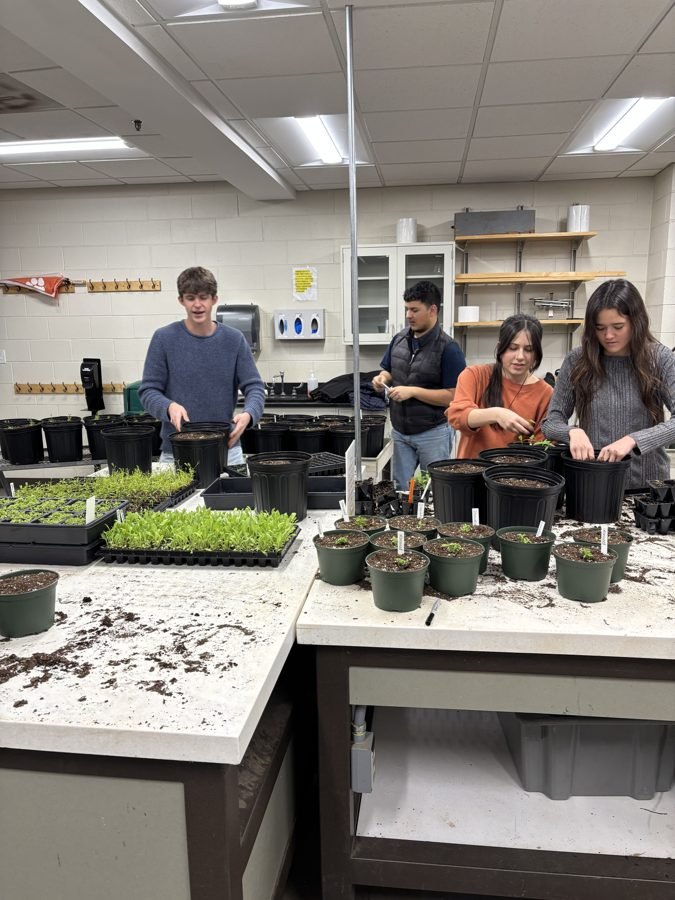
Real students, real soil, real outcomes — photos from workdays, events, and site visits at Hunnicutt Food Forest and beyond.

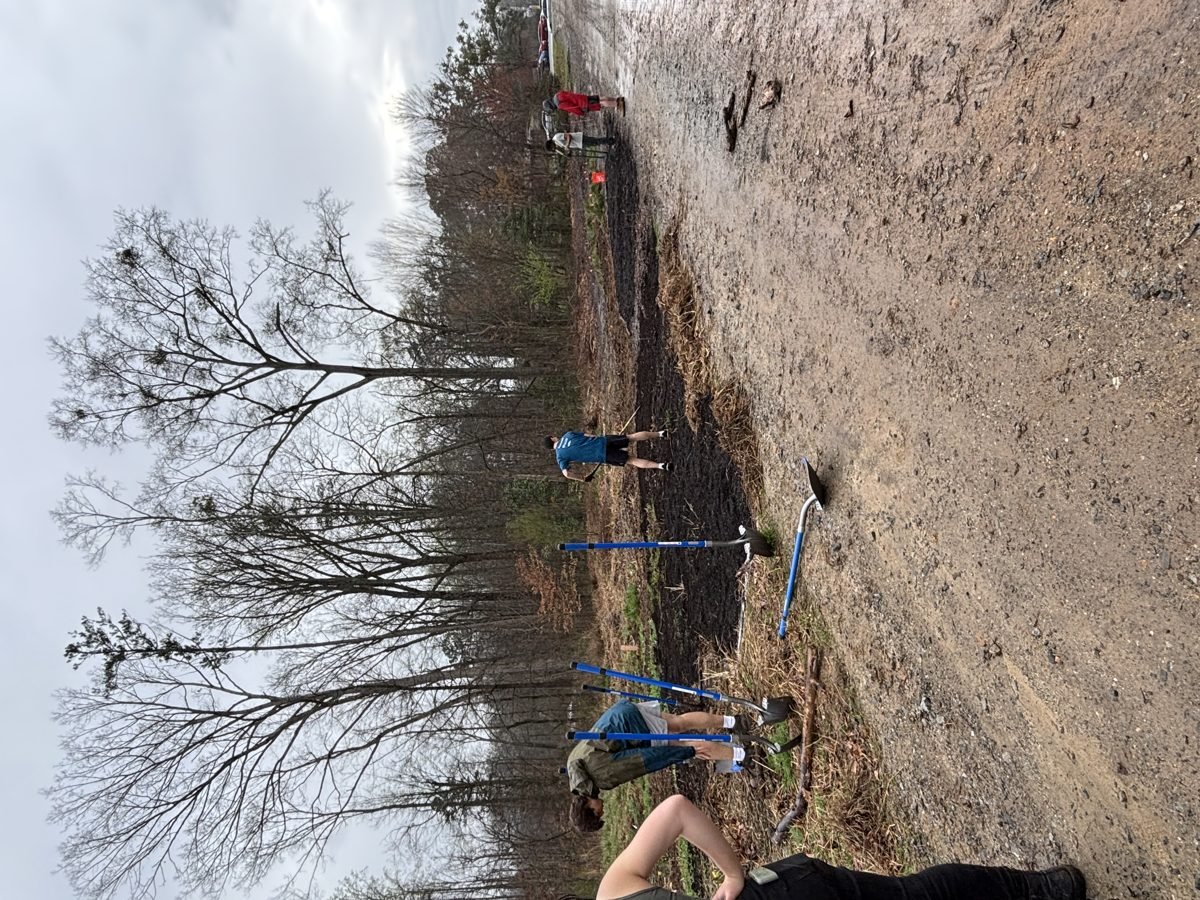
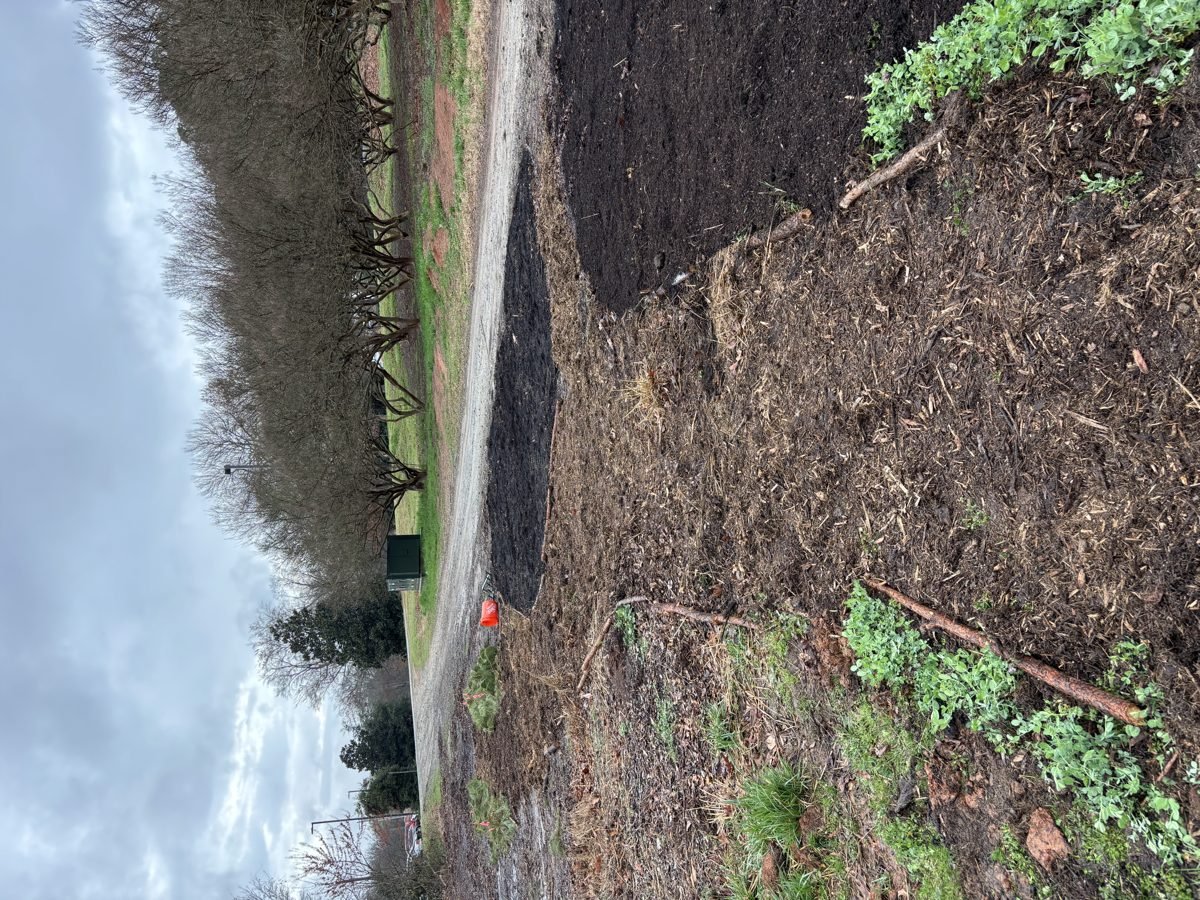
Workday at Hunnicutt Food Forest
Planting and building at HFF
Aerial view of Hunnicutt Food Forest
HFF workday crew
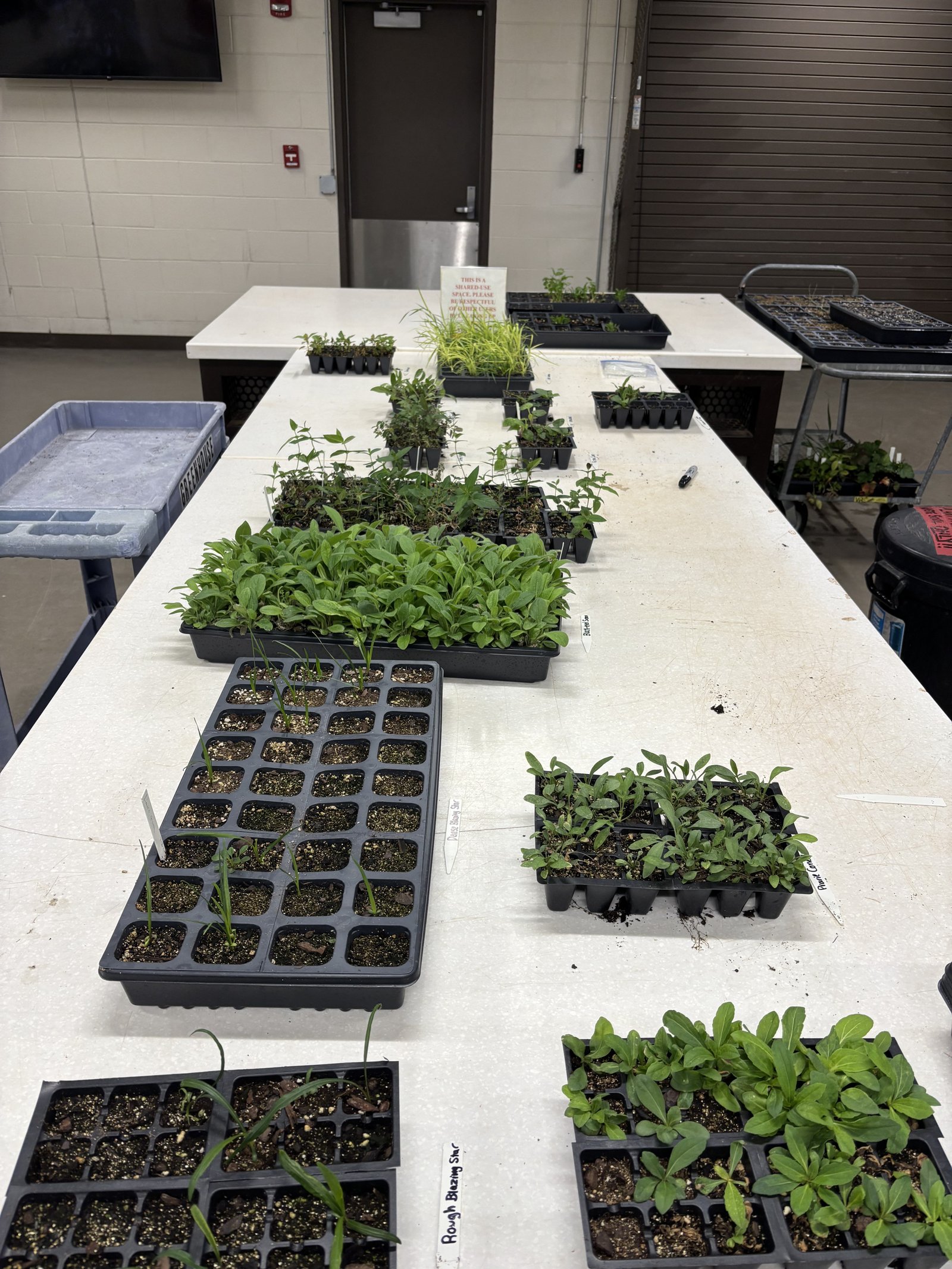
S4S greenhouse seedlings
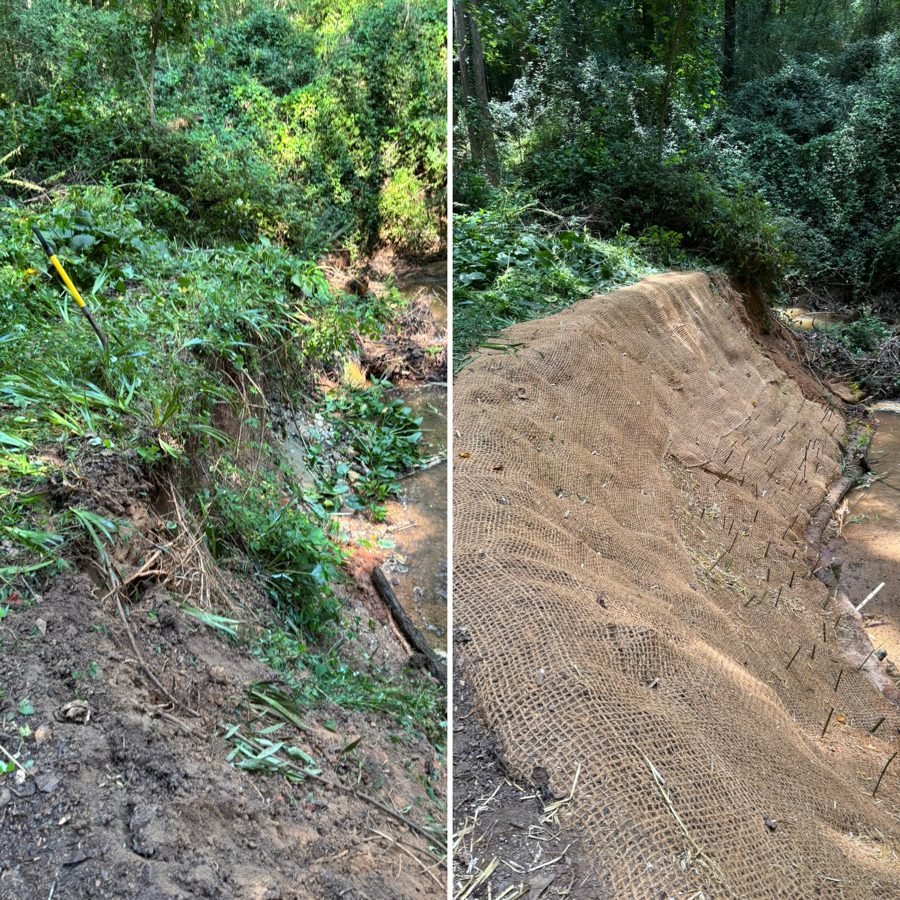
Stream restoration event
Students for Stewardship group
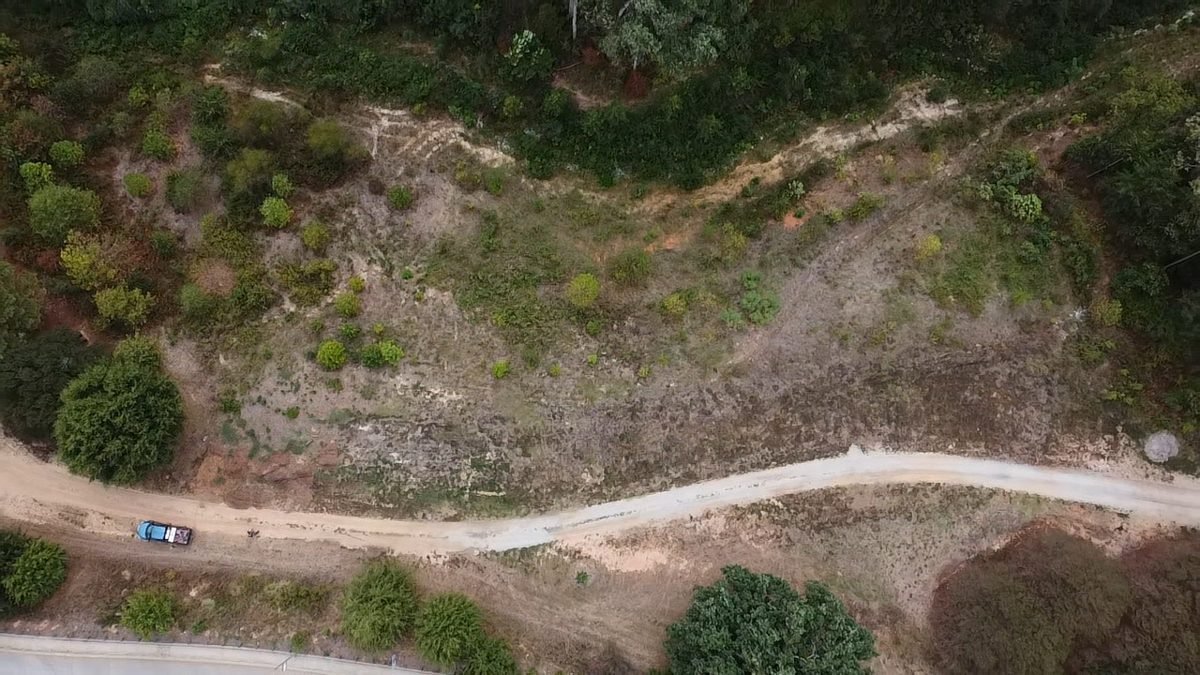
Drone panorama — Hunnicutt Food Forest site

Aerial view — Hunnicutt Food Forest, Clemson East Campus · Sept 2024

Join the Effort

Students, community members, and local organizations are all welcome at Hunnicutt. Whether you want to plant, learn, or partner — reach out.

Community · Donors · Press

Partners &
Community

The Hunnicutt Food Forest is stronger because of the network it belongs to — from a Lowe's donation to a non-profit in Seneca to a fermentation shop in Pendleton.

Lowe's Cleo Bailey Experiment Treehouse Trade School Farm Girl Deliveries Tiger Valley Market Carolina Bauernhaus SC Native Plant Society Clemson Facilities Bluestem Landscape Design

Our Core Mentors

Three practitioners who aren't just supporters — they're teachers. They show up, they bring tools and hard knowledge, and they pour into students.

The Cleo Bailey Experiment

Zeph and Whitney Smith co-founded CBE in 2020 in the middle of a pandemic, on Anderson's East Side, in a 1913 schoolhouse on two acres. They started a garden in a food desert. The Oasis Garden now serves 75–100 families weekly through a food bank partnership — blackberries, tomatoes, squash, cucumbers, melons, greens, and herbs grown in 14 raised beds and open rows.

Zeph's January 2025 kickoff event launched S4S's year with shared intention. CBE isn't a boutique farm. It's a real place where people show up and build.

🌱

"We're getting people's hands back in the soil."

— Zeph Smith, Co-Founder · CBE


Treehouse Trade School

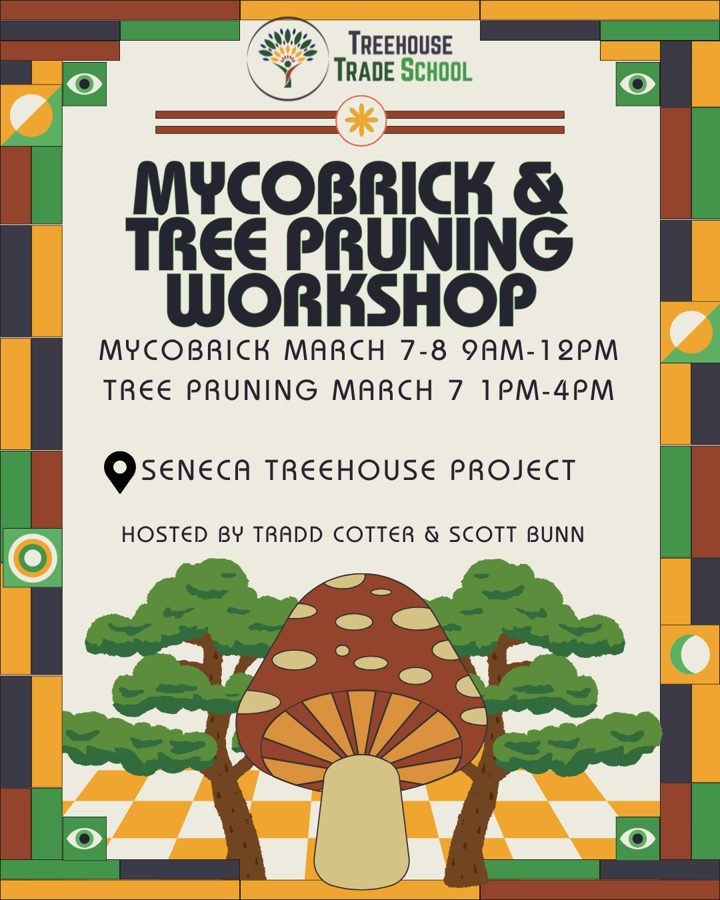
Scott Bunn's school of practical ecological building — trades, homesteading, and sustainable construction taught through doing. He's the author of 71 Solutions and founder of Treehouse Internatural, which includes the Seneca Treehouse Project. When Scott came to Hunnicutt in September 2024 he brought a broad fork, not a slideshow — and taught us to read the land before we tried to design it.

The Treehouse Trade School curriculum teaches all the skills needed to build a thriving homestead and resilient community. Applied. Hands-on. The opposite of abstract.

🔧

"Not just what to build — how. Not just theory — technique."

— S4S, after Scott's broad fork demo


Farm Girl Deliveries

Concetta Cone's all-natural, no-till farm in Six Mile delivers CSA boxes of fresh vegetables, pasture-raised eggs, and hand-crafted dried flower bouquets to Clemson, Central, Pendleton, Liberty, and Pickens. No synthetic inputs. Certified SC Grown. She farms the land around us the right way, season after season, without making a big deal about it.

Farm Girl Deliveries sent a volunteer crew to Hunnicutt on October 20, 2024 — one of the first outside organizations to show up and work. Concetta led the keyline design session that still shapes how we plan the site today.

🚜

"All-natural. No-till. Grown here. Delivered to your door."

— Farm Girl Deliveries · Six Mile, SC

Design, Donations & Institutional Backing

🔨

Lowe's

Lowe's donated the first major round of plants — 3 peach trees, 4 blueberry bushes, 3 raspberry bushes, and a grapevine. This single donation made Spring 2025's planting possible and established the first orchard zone at Hunnicutt. Big impact, simply given.

🌿

Clemson Landscaping & Facilities

Campus partner for site access, tree corridor coordination along Newman Road, and collaboration on the East Campus green infrastructure vision.

🌸

SC Native Plant Society

SCNPS coordinates the spring plant sale that S4S uses to source annuals, medicinals, and native species. They published the first major press feature on Hunnicutt — "Cultivating Land Ethics at Clemson" — and connected us to the statewide native plant community. Rick Huffman co-founded SCNPS in 1996.

Read their feature ↗

🪻

Bluestem Landscape Design

Jon Fritz — landscape designer and Clemson landscape architecture graduate — helped design the Hunnicutt Food Forest layout and introduced S4S to the 12 Cues to Care framework that shapes how we think about site legibility and ecological design. His practice, Bluestem Landscape Design LLC in Seneca, SC, teaches eco-friendly horticulture, native plant selection, and right-plant-right-place design.

Named for Schizachyrium scoparium — little bluestem, the native grass that anchors so much of what we plant at Hunnicutt.

Campus Clubs & Academic Partners

Students for Stewardship draws on the whole campus — from agronomy to carpentry to neuroscience.

🌾

Clemson Agronomy Club

Carson Wargo coordinated the food forest plant list — trees, understory shrubs, flowers, and grasses prioritized for Piedmont conditions and propagation viability. The club's greenhouse is a key pipeline for native and pollinator-friendly species.

🏗️

Carpentry Club

Built structures at the site — and slated for the Purple Martin birdhouse builds and bench installation in Spring 2026. Hands-on making is part of what the food forest teaches.

🌸

Native Plants Club

Overlapping mission and membership — supporting native species selection, plant ID workshops, and the SCNPS spring sale coordination pipeline.

🗺️

CEDC — Clemson Engineers for Developing Communities

Our GIS and engineering model. CEDC's workstation setup (Nvidia RTX A6000, local data pipeline) is the direct inspiration for S4S's planned digital twin workstation buildout.

📡

Clemson Center for Geospatial Technologies

Home of Mapping TigerTown — the 3D campus basemap where the Hunnicutt digital twin will live. Guidance from the Geospatial Center informs the Phase 2 expansion of stewardship layers across campus.

💧

Carolina Clear / Stormwater Team

Anaston Porter and the Carolina Clear program connect S4S to Clemson's broader stormwater and water quality network — linking the food forest's headwaters work to the university's official water management goals.

Become a Partner

We're looking for organizations, clubs, and community members who want to build something real at Hunnicutt. Reach out.

Mentors · Partners · Local Picks

The People
Behind the Work

The Hunnicutt Food Forest didn't get built from YouTube videos. It got built because real practitioners showed up, shared tools, and poured into students. This page is for them.

Community Mentors

Every one of these people showed up to Hunnicutt or invited us into their world. Click any name to learn more.

Zephaniah Smith co-founded The Cleo Bailey Experiment in 2020 with his wife Whitney — in the middle of a pandemic, in a food desert on Anderson's East Side, in a 1913 schoolhouse on two acres of land. That's the kind of audacity that actually changes things.

The Cleo Bailey Experiment (CBE) now runs the Oasis Garden — 14 raised beds plus open rows growing blackberries, tomatoes, squash, cucumbers, melons, pumpkins, greens, and herbs — and serves approximately 75 to 100 families a week through a food bank partnership with Anderson First Seventh Day Adventist. The mission: break the cycle of generational poverty through research, support, and education. Zeph puts it plainly: "We're getting people's hands back in the soil."

Zeph's relationship with S4S is one of the most formative partnerships we have. His Jan 24, 2025 kickoff event launched our year with intention, and his philosophy — that strong communities are built through agriculture and shared labor, not through programs — is the same philosophy we're trying to carry at Hunnicutt. CBE isn't a boutique farm. It's a real place where people show up.

Local Picks: The Upstate Food Ecosystem

The food forest doesn't exist in isolation. These are the places in our area that are doing the work — markets, farms, fermenters, and community hubs worth knowing about.

🌱

Anderson, SC · 1003 East Whitner St

The Cleo Bailey Experiment

Zeph and Whitney Smith's community farm and nonprofit, rooted in a 1913 schoolhouse on Anderson's East Side. The Oasis Garden serves 75–100 families weekly. A living model of what it looks like to build community through soil.

🌳

Seneca, SC · Treehouse Internatural

Treehouse Trade School

Scott Bunn's school of practical ecological building — trades, homesteading, and sustainable construction taught through doing. If you want to learn how to build something that lasts, this is the place.

🚜

Six Mile, SC · Delivers to Clemson area

Farm Girl Deliveries

Concetta Cone's all-natural, no-till farm in Six Mile. CSA boxes of fresh vegetables, pasture-raised eggs, and hand-crafted dried flower bouquets, delivered to Clemson, Central, Pendleton, and beyond. Certified SC Grown.

🍺

Pendleton, SC · Local food + fermentation

Carolina Bauernhaus

David Thornton's farmhouse brewery and winery in Pendleton — craft ales, ciders, and meads rooted in local ingredients and traditional fermentation methods. Part of the wider Upstate food economy S4S is trying to connect and amplify.

🏪

Upstate SC · Local food market

Tiger Valley Market

A local food and farm market serving the Upstate — where farmers, producers, and eaters connect in the Clemson area. Growing food is only part of the work; connecting growers to tables is where regenerative agriculture becomes an economy.

Want to Help?

Stewardship days at Hunnicutt are open to students and community members. No experience required. Show up in boots.

Presentations · Proposals · Documents

Resources &
Documents

Presentations, proposals, and founding documents from Students for Stewardship — the paper trail of an idea taking root.

S4S Documents & Research

Every proposal, field record, and reference document — organized into three groups. Click any group to open it.

📊

S4S Outreach Presentation

The club's core outreach deck — stewardship definition, Pillars of Planting, the "Stewardship connects to..." framework, and the annotated 2025 site plan. Used for faculty meetings, partner pitches, and new member orientations.

Open Document ↗

🌿

Green Corridor Proposal

The case for connecting HFF to the Green Crescent Trail and Clemson's city-wide green infrastructure. Aligns with the CU Long-Range Framework Plan and City Comprehensive Plan. HFF sits at the junction of the Botanical Gardens, Pecan Grove, and Gateway Park.

Open Document ↗

📄

East Campus White Paper

S4S's mission statement document and Spring 2026 workplan. Introduces the "Cues to Care" design principle — visible, legible site features that communicate intention. Outlines the corridor fork concept for East Campus green infrastructure.

Open Document ↗

🌳

Tree Corridor Project

Design documents for the Newman Road roadside tree line — one canopy tree + a guild ring of 3–5 perennial support plants per module, mulched and labeled along the estimated 1,000-foot frontage.

Open Document ↗

🪴

Hunnicutt Food Forest Landscape Plan

The full professional landscape plan for the HFF site — site zones, planting areas, circulation, features, and the spatial layout the digital twin is built to represent. The authoritative spatial document for the site.

Open Document ↗

The Digital Twin Database

87 plants × 42 attributes — every species at Hunnicutt, catalogued with canopy layer, guild roles, nitrogen fixer status, mycorrhizal type, host species, edible parts, watershed function, and more.

Built by Andrew Evans in Spring 2026 using openpyxl + Python and verified against the NC State Extension Plant Toolbox. The foundation of the HFF digital twin. Available as an Excel workbook with four sheets: Species Database, Hunnicutt Field Instances, Field Dropdowns, and Reference Links.

Request the Database
"An action-based club needs record-keeping that can keep up — and eventually a stewardship 'gaming' layer that helps people learn, design, and improve land responsibly."

— Digital Twin Vision, 2026

Questions About the Work?

Most of our documents are open above. For anything not listed, or to talk about the research — reach out directly.

Digital Twin · GIS · Stewardship Platform

The Digital
Twin

A living digital twin of the Hunnicutt Food Forest — the first step toward a platform that helps people go from "I want to help" to "I know what to build and how to start."

Scroll
87Species in Database
42Attributes per Plant
4Build Phases
Potential Scale

What Is a Digital Twin?

A living, accurate representation of a place that helps people see what is there, track what changes, and understand how their actions affect the system around them.

We are building a practical digital twin of the Hunnicutt Food Forest so our work can stay organized, accurate, and useful over time. Every planting, tree, feature, and change gets captured as it happens — with the correct species and basic attributes attached. An action-based club needs record-keeping that can keep up.

Once the model is accurate, we can grow it into something bigger: a local plant database built from what really works here, and eventually a stewardship "gaming" layer that helps people learn, design, and improve land responsibly.

"Explore your neighborhood. Learn how the land works. Build what it needs."

— Digital Twin Vision

Why Start at Hunnicutt?

The Hunnicutt Food Forest is our pilot site because it is part of the upstream story. Once we can model one place correctly — real species, real changes, real site data — we can expand responsibly to other sites across campus and the Upstate.

From Accurate Model to Stewardship Platform

Building in phases — getting the foundation right before expanding the vision.

🌱
In Progress — 2024–2026

Phase 1: The Digital Twin

Building an accurate GIS representation in ArcGIS Experience Builder. Every plant, feature, and zone catalogued with species-level attributes. 87-plant species reference database using NC State Extension Plant Toolbox as gold standard. Integration with Mapping TigerTown (Clemson's 3D campus basemap).

🗺️
Next — 2026+

Phase 2: Local Plant Database

Growing the digital twin into a plant database built from what actually works in Upstate SC — on our soils, with our rainfall, in our climate. Expanding stewardship layers to other campus sites with guidance from the Clemson Geospatial Center.

🎮
Future Vision

Phase 3: Stewardship Gaming Platform

A guided citizen science platform: survey a spot you care about, tag basic site conditions, and receive plant palettes from the local database, examples of successful nearby projects, and simple designs that work in similar conditions. Design becomes clear enough that others can help make it real.

🏗️
Long-Term

Phase 4: Off ESRI, Own Platform

Migrating to a custom-built platform — locally controlled, long-lived. Stewardship infrastructure that is informed, teachable, and repeatable. Owned by the community, not the cloud.

The Technical Foundation

Built to be locally controlled, long-lived, and capable of growing with us — not dependent on any single platform.

🗺️

ArcGIS Experience Builder

Proof-of-concept digital twin deployment. Species popups, field instance tracking, and attribute display integrated into Clemson's 3D campus basemap (Mapping TigerTown).

📊

Species Reference Database

87 plants × 42 attributes: canopy layer, guild roles, nitrogen fixer status, mycorrhizal type, host species, edible parts, watershed attributes, and more. NC State verified.

📍

Field Instance Tracking

GPS-tagged records for every plant in the ground: planting date, health status, observer, source nursery, and ESRI Feature ID. A living record as the forest grows.

🖥️

Dedicated Workstation (Planned)

GIS and 3D asset work exceeds student laptops. Modeled after CEDC's setup: Nvidia RTX A6000, AMD Thread-Ripper 12-core, 512GB RAM, 8TB SSD. Local control, local continuity.

🌿

NC State Plant Toolbox

Gold standard reference for plant attributes, native status, and ecological characteristics. Every species in our database linked back to NC State's Extension Plant Toolbox.

🏛️

Mapping TigerTown Integration

Clemson Center for Geospatial Technologies' 3D campus basemap. Students for Stewardship adds accurate, stewardship-focused layers representing what is actually on the ground.

Build the Commons, Together

Stewardship should feel doable. The long-term goal of the digital twin platform is to help people go from "I want to help" to "I know what to build and how to start."

Imagine This Workflow:

  • A student surveys a soggy area, bare slope, or lawn patch that could become a pollinator pocket
  • They sketch the area and tag basic site conditions — seeing where water moves in a rain event
  • The platform recommends plant palettes pulled from the local verified database
  • Examples of successful nearby projects appear, with simple proven designs
  • Instead of guessing, they build from real reference data and real plant experience
  • The design becomes clear enough that others can help make it real

What the "Game" Part Means

The "game" part is not fantasy. It is a guided way to explore, design, and communicate a stewardship project clearly enough that others can help make it real. The point is not the platform — it's that someone who cares about a patch of ground leaves knowing what to actually do with it.

Right now, we are building the foundation.

An accurate digital twin of the Hunnicutt Food Forest. Once we can model one place correctly, we can expand responsibly.

Follow the Build

We document our progress on Instagram and through our ArcGIS Story Maps. Come along as we build Clemson's first stewardship digital twin.